For the protection of personal safety, whether it be while on patrol or as a private security guard, there is something that everyone needs. Body Armour Protection is a key part of keeping yourself safe for when you are in scary situations, but choosing the right gear can be difficult with so many options available. Whether you are an emergency worker, a soldier, or just someone looking for quality protection, knowing what kinds of body armour there are and how each one works can help you choose wisely.
An Introduction to How Body Armour Works
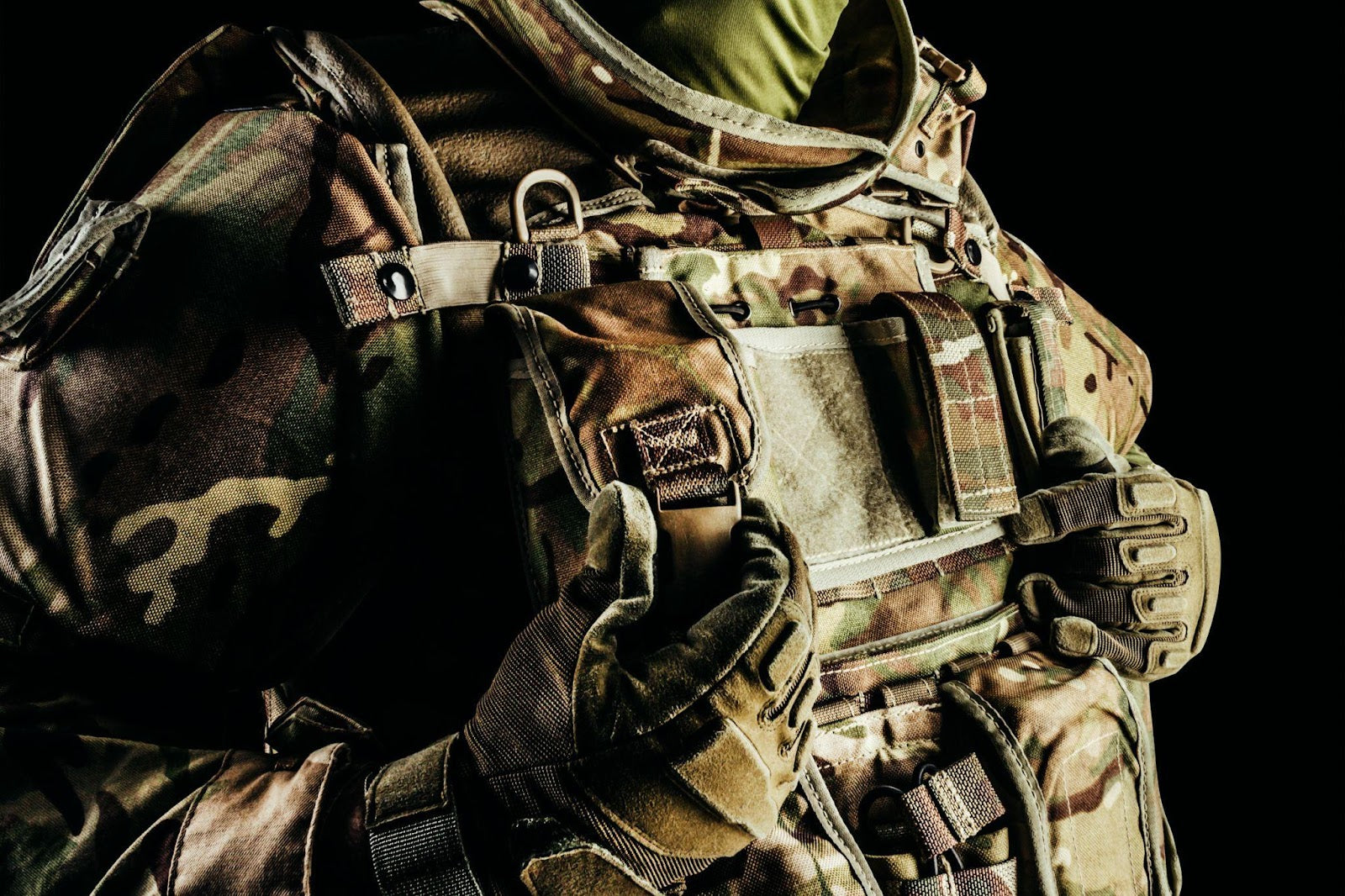
Body armour helps you absorb the impact from projectiles, bladed weapons, or other dangerous objects. Its main function is to minimize injury or death by shielding essential body regions, including the chest, back, and torso. Body armor generally comes in two forms—soft and hard. Soft body armour usually consists of woven fibers that are light-weight and flexible, while hard body armour often includes ceramic plates or steel plates that offer enhanced protective capabilities, especially against high-caliber rounds.
Important Criteria for Selecting Body Armor
The degree of protection required is determined by the risks you are exposed to and the kind of threats you face. For example, law enforcement officers that confront handguns regularly consider hard body armours less comfortable and mobile, and therefore, may prefer soft body armours. Meanwhile, military personnel or people with other high-risk security roles may require the higher protection of hard body armour to protect against high-velocity rounds or shrapnel.
The next important consideration you need to keep in mind is the fit and comfort of the body armour you select. For example, ill-fitting armour can restrict mobility and prevent you from going about essential duties effectively, or may actually make you more vulnerable in specific situations. It is important that the armour fits correctly and safely to ensure comfort and use.
Tactics, Techniques and Procedures of Body Armour
The type of materials used in body armour can influence its performance, weight and comfort. Modern-day body armour now features materials including Kevlar, Spectra, or Dyneema known for high strength, durability and comparatively lite weights. Such composite materials absorb impact energy, providing maximum protection below-the-skirt without compromising agility.
Another factor to consider is a robust outer cover that allows the body armor to withstand rough conditions and the durability over time. The external covering should be tough against abrasions, moisture and other environmental conditions that might impair the performance of the armour.
Conclusion
Finding the right body armour is a crucial component in protecting yourself in hazardous environments. With such a wide choice on the market, it is important to think functional protection, fit and the types of materials used in the armour. Designed body armour not only protects from “the slings and arrows of outrageous fortune” but also acts to improve the wearability and freedom of movement required to perform challenging tasks. If you remember these important factors, you’re sure to make an informed decision about the right body armour for you.
James Foster is the author of this article. For more details about Ballistic Blankets please visit our website: pspcorp.ca