
While some of us have experience in choosing safety equipment, the sheer volume and advancements, as well as demand for personal protection, have changed dramatically over the last few years. A breakthrough that is rapidly catching on among law enforcement, security personnel, and civilians alike, for protection you can depend on. Newer designs, meanwhile, mix durability with comfort, so users are able to operate well without hindering mobility.
For instance, advanced materials like ultra-high-molecular-weight polyethylene and aramid fibers are some of the most remarkable advancements in body armor technology ever. These materials are lightweight and provide high protection against ballistic threats. This change made the body armor in Canada much more practical and wearability-enhancing for both professional and personal uses for prolonged periods. Thus, users have the agility without compromising on safety.
An equally important question is compliance with strict testing standards. Canadian standards focus on performance and dependability, ensuring that protection equipment meets rigorous security standards. Manufacturers typically test their products against a wide variety of ballistic threats, including handgun and rifle ammunition, to ensure consistent protection. This commitment to quality has solidified body armor’s credibility in Canada, establishing it as a trustworthy choice for those who value safety.
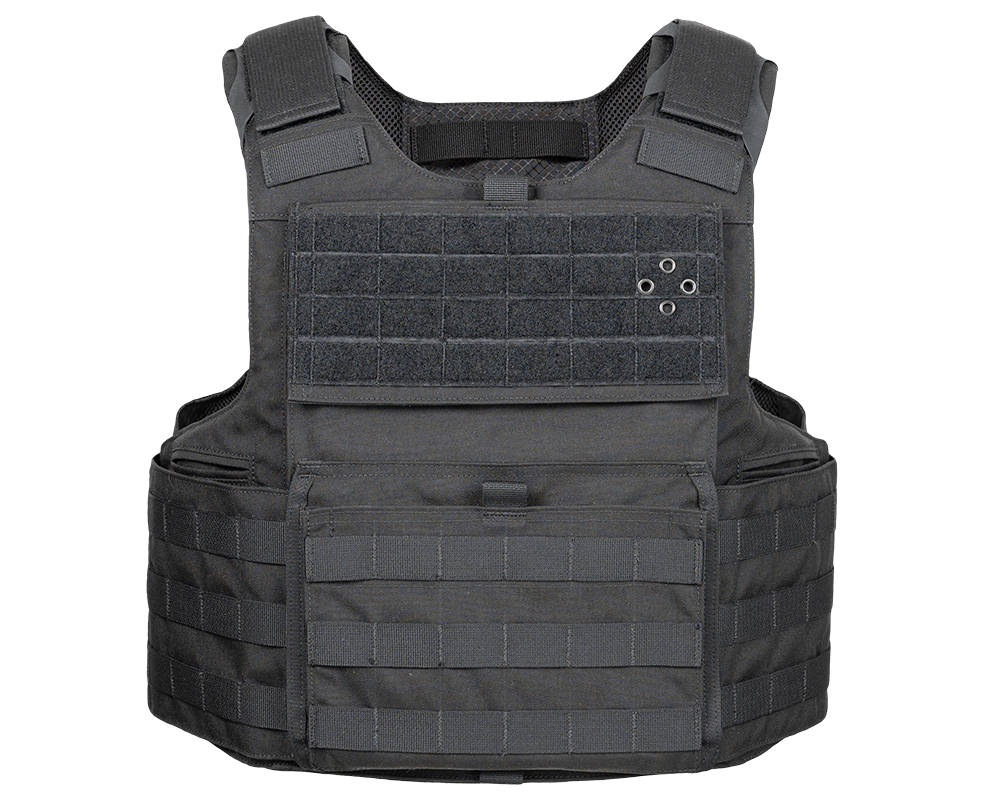
Industry-wide, customization has also been the focus. Modern body armor systems often employ modular designs, where users can add or remove components depending on their requirements. Such flexibility is particularly beneficial for professionals functioning in fluid settings, where threat levels can evolve rapidly. This shift is evident in body armor in Canada, with everything from adjustable carriers to interchangeable plates that allow personalized body protection solutions.
That is not free of a role for comfort and ergonomics. Better ventilation systems, moisture-wicking fabrics, and ergonomic shaping help cut down on fatigue during extended wear. These features are especially useful for those who wear protective equipment to perform their essential duties. With user comfort in mind, they aim to make sure that safety equipment will not only protect them but also be practical for use in the real world.
Sustainability is becoming another key consideration. Numerous producers are working on exciting organic textile generation techniques and materials with less environmental impact. These methods strengthen global momentum on responsible manufacturing and high safety standards. With increased awareness, eco-friendly options are gaining traction in the body armor market.
To conclude, the development of protective gear over time emphasizes innovation, quality assurance, and user-focused design. Using evolving materials and aesthetic styles, as well as tailored customization for individual needs, they still service a continuously changing world at the relevant time. Body armor in Canada is a testament to the marriage of advanced technology with real-world applicability, offering much-needed protection when you need it most, be it for work or play.
James Foster is the author of this article. For more details about tactical clothing in Canada, please visit our website: pspcorp.ca.